Introduction
Eating a protein-rich diet is essential for energy, muscle growth, and overall wellness. Whether you are a fitness enthusiast, a busy professional, or someone looking to maintain a healthy lifestyle, incorporating high-protein meals into your daily routine can make a significant difference. Protein fuels the body, supports metabolism, and keeps you feeling full for longer, reducing unnecessary snacking. In this guide, we explore top high-protein meal recipes that are not only nutritious but also easy to prepare and delicious. These meals are designed to meet different dietary needs, whether you prefer meat-based, vegetarian, or plant-based options.
Why High-Protein Meals Are Important
Protein is a macronutrient that plays a crucial role in repairing tissues, producing enzymes, and supporting immune function. Consuming sufficient protein helps maintain lean muscle mass, especially during weight loss or aging. Additionally, protein can boost metabolism and aid in controlling appetite. Incorporating high-protein meals regularly ensures your body has the nutrients it needs to perform at its best. People who exercise, recover from injuries, or aim to improve body composition particularly benefit from meals rich in protein.
Easy and Delicious High-Protein Breakfast Ideas
Starting your day with a protein-packed breakfast sets the tone for the rest of your meals. Breakfast meals that combine protein with fiber and healthy fats keep you energized and satisfied. One approach is to prepare omelets or scrambled eggs using fresh vegetables and lean meats such as chicken or turkey. Another excellent option is Greek yogurt bowls topped with nuts, seeds, and fresh fruits. These meals are quick to make, versatile, and perfect for those with busy mornings. High-protein smoothies can also be a convenient choice, blending protein powder with fruits, spinach, and nut butter for a nutrient-rich start.
Protein-Packed Pancakes
For those who enjoy traditional breakfasts, high-protein pancakes are a fantastic alternative to regular pancakes. Using ingredients like oat flour, cottage cheese, or protein powder creates a fluffy texture while increasing protein content. Pairing these pancakes with fresh berries or nut butter not only enhances flavor but also adds vitamins and healthy fats, making them a balanced meal. This approach shows that even comfort foods can be adapted to meet nutritional goals without compromising taste.
Satisfying High-Protein Lunch Recipes
Lunch is an opportunity to refuel and maintain steady energy throughout the day. High-protein lunch recipes should be filling and balanced, combining lean proteins, complex carbohydrates, and vegetables. Chicken or turkey salads with a variety of greens, quinoa, and beans provide essential nutrients and keep you full for hours. Grilled salmon or tuna with roasted vegetables offers omega-3 fatty acids alongside high-quality protein, supporting heart health and muscle maintenance.
Balanced Protein Bowls
Protein bowls have become increasingly popular for their convenience and nutritional benefits. A typical high-protein bowl might include brown rice or quinoa, a serving of lean meat or tofu, assorted vegetables, and a light dressing. By combining different protein sources, such as legumes and eggs, these bowls provide a complete amino acid profile, making them ideal for plant-based eaters as well. They are also highly customizable, allowing you to adjust flavors and ingredients according to preferences.
High-Protein Dinner Recipes for Recovery and Growth
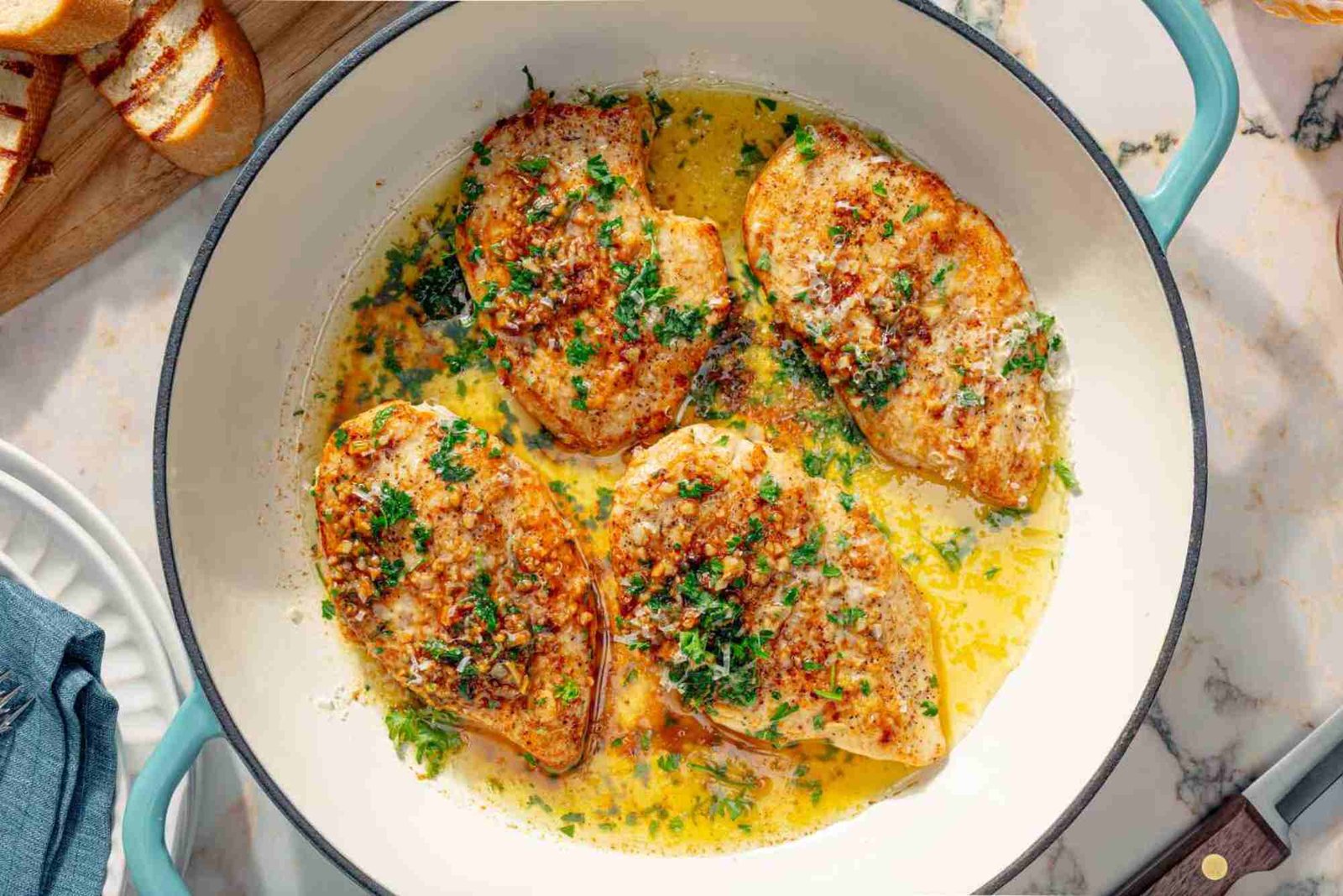
Dinner meals are perfect for replenishing energy after a long day. High-protein dinners aid muscle recovery and support a healthy metabolism. Lean meats like chicken breast, beef, or fish can be paired with vegetables and whole grains for a satisfying meal. Stir-fry dishes with tofu or shrimp, combined with broccoli, bell peppers, and brown rice, are both flavorful and nutrient-dense. For vegetarian options, lentil or chickpea curries provide protein alongside fiber, helping maintain digestive health. Including high-protein ingredients at dinner also helps regulate blood sugar levels and prevents late-night cravings.
Lean Meat and Seafood Dishes
Incorporating lean meat and seafood into dinner recipes ensures high-quality protein intake. Grilled salmon, turkey meatballs, or chicken stir-fries are easy to prepare and rich in essential amino acids. These meals support muscle repair, improve satiety, and contribute to a well-rounded diet. Cooking techniques like grilling, steaming, or baking preserve nutrients while minimizing added fats, making them healthier choices compared to frying.
Protein-Rich Snacks to Keep You Energized
Healthy snacks are a great way to maintain protein intake between meals. Options like boiled eggs, Greek yogurt, mixed nuts, or protein bars can curb hunger and provide steady energy. Edamame, hummus with veggie sticks, and roasted chickpeas are excellent plant-based options, offering both protein and fiber. Snacking strategically with high-protein foods helps prevent overeating during main meals and supports consistent energy levels throughout the day.
Quick and Portable Options
For those on the go, portable high-protein snacks are invaluable. Beef jerky, trail mix with seeds, or protein shakes can be easily carried and consumed without preparation. These options are perfect for busy schedules, ensuring your protein needs are met even when time is limited. Combining convenience with nutrition makes these snacks a practical solution for maintaining a high-protein diet.
Tips for Maximizing Protein Intake
Increasing protein intake doesn’t mean you have to overhaul your entire diet. Simple strategies can enhance protein consumption while keeping meals enjoyable. Planning meals ahead, combining different protein sources, and replacing carb-heavy sides with vegetables or legumes can improve nutrient density. Additionally, choosing whole food sources over processed protein supplements ensures a more balanced diet and better overall health. Hydration and proper portion sizes are equally important for optimal protein utilization in the body.
Combining Protein with Other Nutrients
Pairing protein with complex carbohydrates, healthy fats, and fiber enhances absorption and keeps meals satisfying. For example, chicken with sweet potatoes and steamed broccoli offers a balanced profile of macronutrients and micronutrients. Similarly, a quinoa and bean salad with olive oil dressing provides protein, fiber, and heart-healthy fats in one meal. This combination ensures your body receives a broad spectrum of nutrients while maintaining energy and focus throughout the day.
Incorporating top high-protein meal recipes into your daily routine is a practical and delicious way to support health, energy, and muscle growth. From breakfast to dinner, these meals are versatile, easy to prepare, and suitable for a variety of diets. Snacks and protein-rich beverages complement main meals, helping maintain satiety and consistent energy levels. By planning meals strategically, experimenting with recipes, and choosing nutrient-dense ingredients, you can enjoy a high-protein diet without sacrificing taste or convenience. Start incorporating these recipes today and experience the benefits of a protein-focused lifestyle. Take the first step towards better health by exploring these recipes and making protein a central part of your daily meals.
Discover the ultimate flavors with our Top Chicken Roast Recipes! From crispy skin to juicy, tender meat, these recipes are perfect for family dinners or special occasions. Easy-to-follow steps, aromatic spices, and secret tips make every roast unforgettable. Elevate your cooking game and impress your guests with mouthwatering chicken roasts that are both delicious and simple to prepare.
FAQ
What are the best sources of protein for a high-protein diet?
The best sources include lean meats, fish, eggs, dairy, legumes, tofu, nuts, and seeds. Plant-based sources can also provide complete protein when combined properly.
Can I get enough protein on a vegetarian diet?
Yes, by including legumes, dairy, eggs, tofu, tempeh, quinoa, and nuts, vegetarians can meet protein needs effectively.
How much protein should I consume daily?
Daily protein requirements vary based on age, weight, and activity level. On average, 0.8–1.2 grams per kilogram of body weight is recommended for most adults. Athletes may require more.
Are protein shakes necessary to meet protein goals?
No, whole foods should be prioritized. Protein shakes are convenient but not essential if your diet already includes sufficient protein-rich foods.
What are some quick high-protein meal ideas?
Quick meals include omelets, Greek yogurt with nuts, protein smoothies, grilled chicken salads, and chickpea stir-fries. These are simple, nutritious, and easy to prepare.