Introduction
If you love rich flavors, creamy sauces, and perfectly cooked pasta, learning how to make restaurant-style pasta at home can transform your kitchen experience. Many people think restaurant-quality pasta requires professional chefs or expensive ingredients. However, with the right techniques and fresh ingredients, anyone can create delicious pasta dishes at home.
In this guide, you will learn essential cooking methods, secret tips from professional kitchens, and simple tricks to enhance flavor and texture. By the end, you will confidently prepare pasta that tastes like it came from a high-end restaurant.
Understanding the Basics of Restaurant-Style Pasta
Before cooking, it is important to understand what makes pasta taste restaurant-quality. Chefs focus on fresh ingredients, balanced seasoning, and proper cooking techniques.
When learning how to make restaurant-style pasta at home, start with high-quality pasta. Choose durum wheat pasta for better texture and firmness. Always use fresh vegetables, good cheese, and premium olive oil for better flavor.
Another key factor is timing. Pasta must be cooked al dente. This means it should be tender but slightly firm in the center. Overcooked pasta becomes soft and loses its appealing texture.
Choosing the Right Pasta and Ingredients
The foundation of great pasta begins with choosing the right type. Different shapes work better with specific sauces. For example, long pasta like spaghetti pairs well with light tomato or olive oil sauces. Short pasta like penne works better with creamy or thick sauces.
Fresh ingredients improve taste significantly. Garlic, onions, tomatoes, fresh basil, and herbs add depth to your dish. Cheese such as Parmesan or mozzarella enhances creaminess and richness.
When preparing how to make restaurant-style pasta at home, always measure ingredients properly. Balance is important. Too much sauce can overpower pasta, while too little can make it dry.
Cooking Pasta the Right Way
Boiling pasta correctly is essential for restaurant-style results. Start by using a large pot with plenty of water. Add salt to the boiling water because it enhances flavor inside the pasta.
Add pasta only when the water reaches a rolling boil. Stir occasionally to prevent sticking. Follow the cooking time mentioned on the package but test it a minute earlier for better control.
Drain the pasta but save a small cup of pasta water. This starchy water helps adjust sauce consistency later. Professional chefs always use this trick when preparing restaurant-style dishes.
Preparing a Flavorful Sauce
The sauce defines the overall taste. Whether you prefer tomato-based, creamy, or olive oil-based sauce, freshness and balance matter most.
For tomato sauce, start by sautéing garlic and onions in olive oil. Add fresh tomatoes or tomato puree and cook slowly. Season with salt, pepper, and Italian herbs. Let it simmer so flavors develop deeply.
For creamy sauce, melt butter in a pan. Add cream and cheese gradually while stirring. This creates a smooth and rich texture. Adjust thickness using pasta water if needed.
When practicing how to make restaurant-style pasta at home, always taste and adjust seasoning before serving. Small changes make a big difference.
Enhancing Flavor with Professional Tips
Restaurants use simple but powerful techniques to enhance flavor. One important method is finishing pasta inside the sauce. Instead of pouring sauce over pasta on a plate, mix pasta directly into the pan with sauce.
Cook them together for a few minutes. This allows pasta to absorb flavors. Add reserved pasta water gradually to improve consistency.
Fresh herbs should be added at the end. Basil, parsley, or oregano release better aroma when added just before serving. Cheese should also be sprinkled at the final stage for better texture.
These small details help you master how to make restaurant-style pasta at home with professional quality.
Popular Restaurant-Style Pasta Variations You Can Try
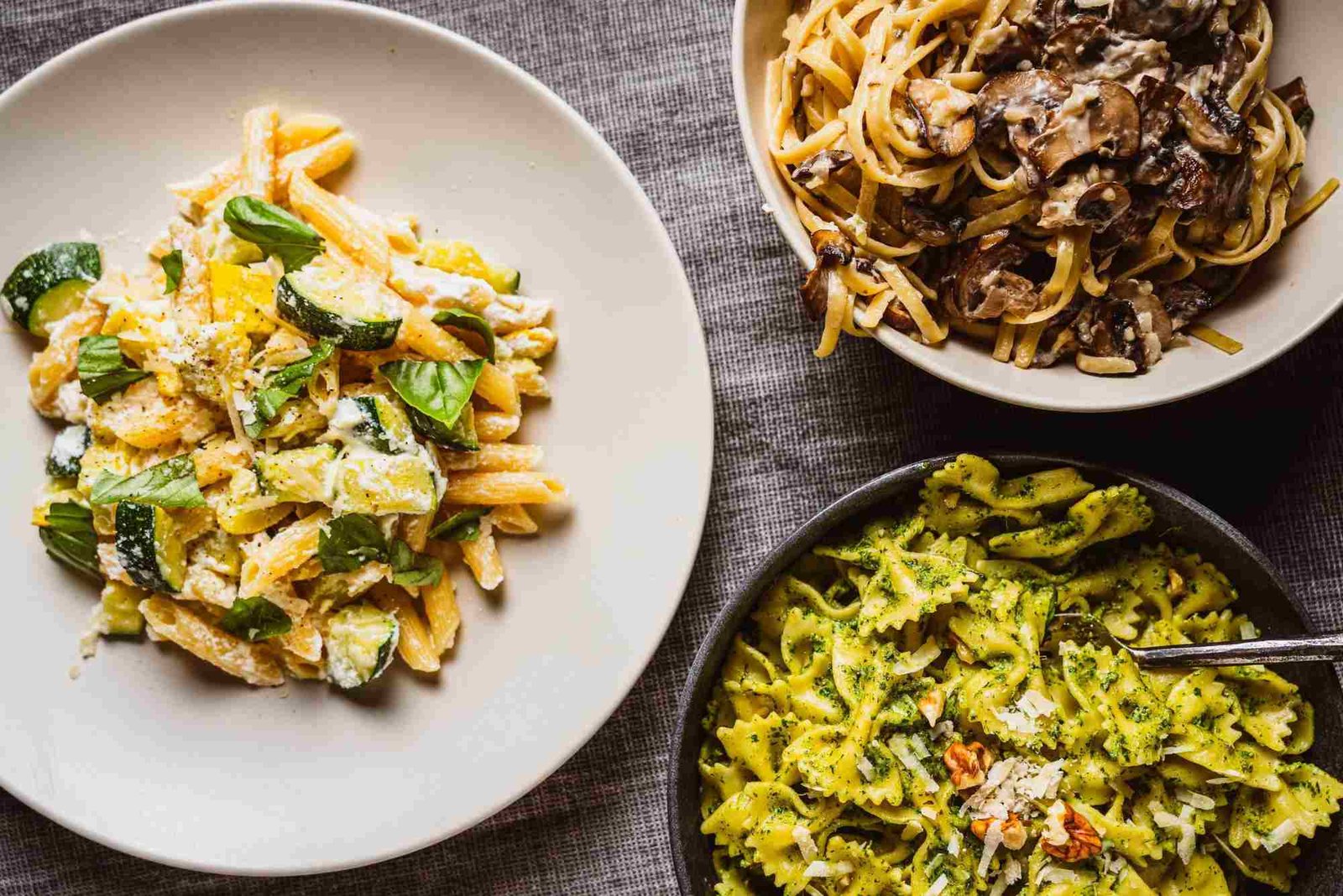
There are many delicious variations you can prepare at home. Creamy Alfredo pasta is a favorite choice for many people. It combines butter, cream, garlic, and Parmesan cheese for a smooth taste.
Tomato basil pasta is another classic option. It offers fresh and light flavors with a rich tomato base. Adding grilled chicken or vegetables makes it more filling.
You can also prepare spicy arrabbiata pasta. It includes chili flakes, garlic, and tomato sauce for a bold taste.
Experimenting with different ingredients helps you understand better how to make restaurant-style pasta at home while creating your unique style.
Adding Protein and Vegetables for Balance
Restaurant dishes often include protein and vegetables for nutrition and taste. You can add grilled chicken, shrimp, beef strips, or mushrooms.
Cook protein separately before mixing it with pasta. This ensures proper seasoning and texture. Vegetables like bell peppers, spinach, zucchini, and cherry tomatoes add color and freshness.
Sauté vegetables lightly so they stay slightly crunchy. Overcooking reduces flavor and nutrients.
Balancing protein and vegetables improves both taste and presentation when preparing how to make restaurant-style pasta at home.
Plating and Presentation Like a Pro
Presentation plays a big role in restaurant-style meals. Serve pasta on a warm plate for better appearance. Use tongs to twirl pasta neatly in the center.
Add sauce evenly and top with grated cheese. Sprinkle fresh herbs for a clean and elegant look. Drizzle a small amount of olive oil on top for shine.
Simple plating techniques make your homemade pasta look attractive and professional.
Common Mistakes to Avoid
Many beginners make mistakes while cooking pasta. One common error is rinsing pasta after boiling. This removes starch that helps sauce stick properly. Avoid rinsing unless you are making cold pasta salad.
Another mistake is adding sauce to dry pasta without mixing properly. Always combine pasta and sauce in a pan.
Using low-quality ingredients also affects taste. Fresh and good-quality products improve results significantly.
By avoiding these mistakes, you improve your skills in how to make restaurant-style pasta at home.
Time-Saving Tips for Busy Days
If you want quick preparation, pre-chop vegetables and store them in airtight containers. You can also prepare sauce in advance and refrigerate it.
Cooking pasta takes only a few minutes, so planning ahead saves time. Keeping essential ingredients stocked in your kitchen helps you prepare meals quickly.
With smart preparation, you can enjoy restaurant-style pasta even on busy weekdays.
Healthier Alternatives for Pasta Lovers
You can make healthier versions without sacrificing taste. Choose whole wheat pasta or gluten-free pasta if needed.
Replace heavy cream with Greek yogurt for a lighter sauce. Use olive oil instead of butter for healthier fat content.
Adding more vegetables increases fiber and nutrients. These adjustments allow you to enjoy delicious meals while maintaining balance.
Why Homemade Pasta Is Better
Learning how to make restaurant-style pasta at home gives you full control over ingredients and flavor. You avoid unnecessary additives and preservatives found in some restaurant meals.
Homemade cooking also saves money and allows customization. You can adjust spice levels, cheese quantity, and toppings according to personal preference.
Most importantly, cooking at home creates a satisfying experience. Sharing freshly prepared pasta with family and friends makes meals special.
Mastering how to make restaurant-style pasta at home is simple when you follow proper techniques. Focus on quality ingredients, correct cooking methods, and balanced seasoning. Always finish pasta in the sauce and pay attention to presentation.
With practice, your dishes will taste just like professional restaurant meals. Start experimenting today and improve your skills step by step.
Try these methods in your kitchen and share your results with family and friends. Cooking is an art, and you can become a master with consistency and passion.
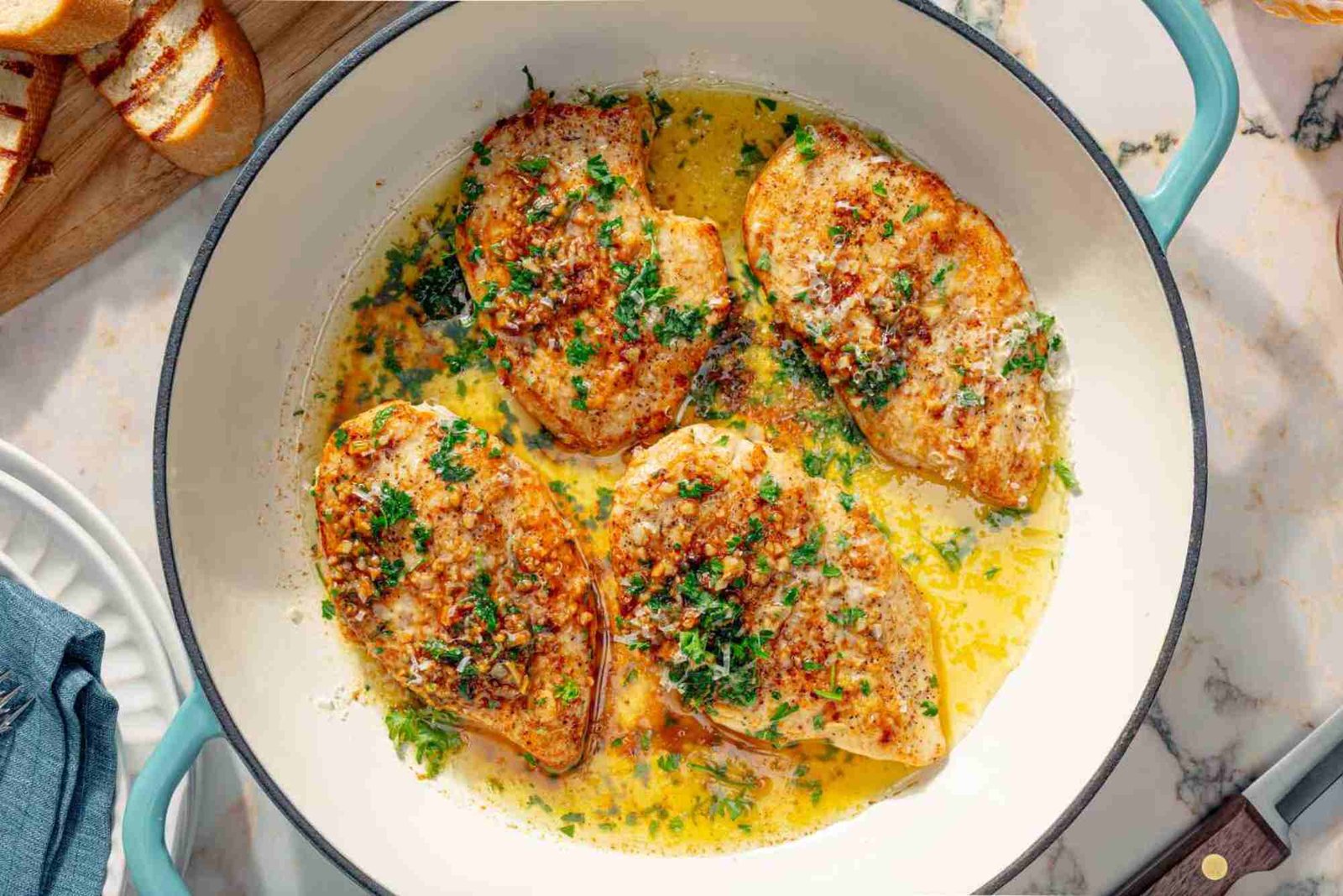
Simple Chicken Recipes for Everyday Cooking offer quick, tasty, and budget-friendly meal ideas for busy families. These recipes use basic ingredients and easy cooking methods to save time in the kitchen. From grilled chicken and stir-fried dishes to baked and roasted options, you can prepare delicious meals without hassle. Perfect for lunch or dinner, these simple recipes bring flavor and nutrition to your table while keeping preparation stress-free and convenient for daily cooking.
FAQ
How do restaurants make pasta taste better?
Restaurants use fresh ingredients, proper seasoning, and finish pasta in sauce for better flavor absorption. They also use pasta water to adjust sauce consistency.
What is the secret to creamy pasta?
The secret is using butter, cream, cheese, and pasta water together while cooking at low heat. Stir continuously for smooth texture.
How can I prevent pasta from sticking?
Use plenty of boiling water, add salt, and stir occasionally while cooking. Mixing pasta with sauce immediately also prevents sticking.
Should I rinse pasta after boiling?
No, avoid rinsing pasta because starch helps sauce stick properly. Only rinse if making cold pasta dishes.
What pasta shape is best for restaurant-style dishes?
It depends on the sauce. Spaghetti works for light sauces, while penne or fettuccine works better for creamy and thick sauces.