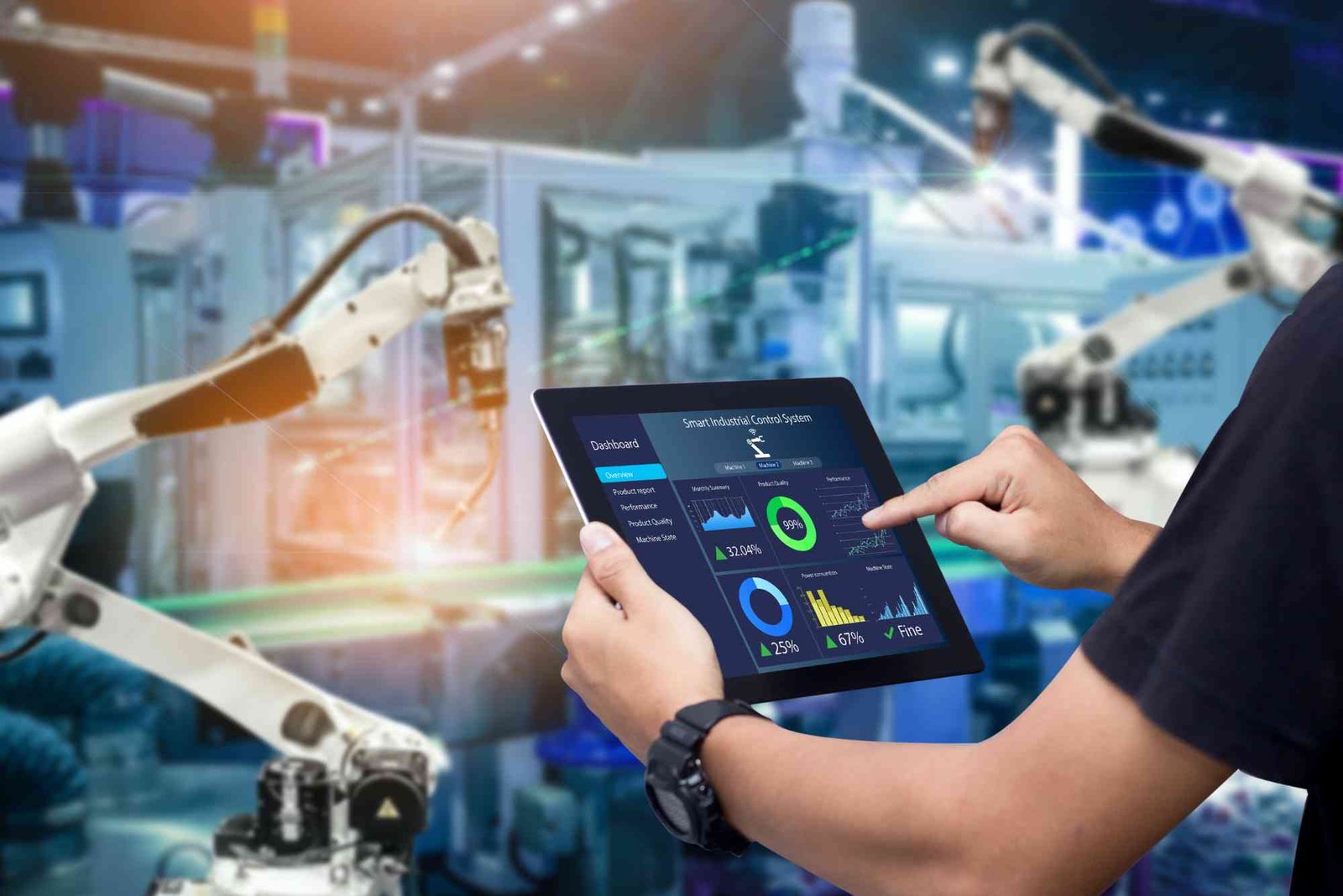
How Robotics Is Changing the Technology Industry
The integration of robotics into technology has transformed industries worldwide. From manufacturing floors to software development, robotics is reshaping workflows, improving efficiency, and fostering innovation. Businesses now rely on intelligent machines to handle repetitive tasks, allowing human talent to focus on creativity and strategic problem-solving. Understanding how robotics is changing the technology industry is essential for professionals and companies seeking to remain competitive in a fast-evolving market.
The Role of Robotics in Modern Technology
Automation of Repetitive Tasks
One of the most significant impacts of robotics is the automation of repetitive tasks. Manufacturing lines, data entry, and quality testing benefit from robotic systems that reduce human error. Robots perform high-precision tasks consistently, lowering operational costs while improving product quality.
Enhancing Software and AI Development
Robotics also intersects with software innovation. Robotic platforms provide real-world data that improve artificial intelligence algorithms. Machine learning models use robotic feedback to refine decision-making, enabling smarter automation in tech applications such as autonomous vehicles and smart devices.
Driving Innovation in Hardware Design
The presence of robotics has accelerated hardware innovation. Robotic assembly lines allow for rapid prototyping and precision engineering, pushing the boundaries of what technology companies can produce. This includes advanced electronics, medical devices, and consumer gadgets that require meticulous assembly.
Key Sectors Transformed by Robotics
Manufacturing and Industrial Technology
Industrial robots revolutionize manufacturing by increasing speed, precision, and safety. Industries such as automotive, electronics, and aerospace now rely on robotics for welding, painting, assembly, and packaging. Robotics reduces workplace injuries and ensures high-quality output at scale.
Healthcare and Medical Technology
In healthcare, robotics is improving diagnostics, surgery, and patient care. Surgical robots allow minimally invasive procedures with higher accuracy, while robotic exoskeletons assist patient rehabilitation. This integration enhances treatment efficiency and outcomes.
Logistics and Supply Chain Technology
Robotic automation in logistics optimizes inventory management and order fulfillment. Autonomous robots in warehouses move goods quickly and accurately, reducing human workload and improving delivery timelines. Companies benefit from faster response to customer demands.
Agriculture Technology
Agriculture has embraced robotics through autonomous tractors, drones, and harvesting robots. These systems increase crop yields, reduce labor dependency, and minimize waste. Smart sensors and robotics together help farmers make data-driven decisions for sustainable farming.
The Impact on Workforce and Skills
Shifting Human Roles
As robots handle routine and repetitive tasks, human roles are shifting toward creative problem-solving, strategic planning, and machine supervision. Employees need skills in robotics management, AI integration, and data analysis to remain relevant.
Upskilling and Reskilling
Companies invest in upskilling employees to work alongside robotics. Training programs in programming, machine learning, and robotics maintenance are essential. This ensures humans complement robotic systems rather than compete with them.
Future Trends in Robotics Technology
Collaborative Robots
Collaborative robots, or cobots, work safely alongside humans. Cobots are used in manufacturing, healthcare, and research, enabling real-time collaboration and enhancing productivity without replacing human workers entirely.
Robotics in Artificial Intelligence
The future of robotics relies on AI integration. Intelligent robots can learn from experience, adapt to new tasks, and optimize workflows autonomously. This combination promises smarter, more flexible technology solutions for multiple industries.
Robotics in Sustainability
Robotics contributes to environmental sustainability by optimizing energy use, reducing waste, and enabling precision agriculture. Companies increasingly adopt eco-friendly robotic solutions to meet sustainability goals while maintaining productivity.
Challenges in Robotics Adoption
High Implementation Costs
Although robotics offers significant benefits, initial setup costs can be high. Small and medium-sized enterprises may struggle to invest in advanced robotic systems without financial planning or incentives.
Integration with Existing Systems
Incorporating robotics into legacy technology infrastructure requires careful planning. Ensuring compatibility and seamless communication between robots and existing software is critical to avoid disruptions.
Ethical and Regulatory Considerations
The widespread use of robotics raises ethical questions about job displacement, data privacy, and safety. Companies must follow regulations and best practices to ensure responsible and fair deployment.
How Businesses Can Leverage Robotics
Strategic Planning
Businesses should assess which processes benefit most from robotics. Identifying high-volume, repetitive, or precision-critical tasks ensures maximum ROI from robotic integration.
Partnering with Robotics Experts
Collaborating with robotics solution providers accelerates deployment. Experts help with system design, programming, and maintenance, ensuring smooth operation and minimal downtime.
Continuous Monitoring and Improvement
Robotics systems require ongoing evaluation. Monitoring performance, updating software, and incorporating feedback ensures robots remain efficient and aligned with business goals.
mysecrit.com is your go-to platform for discovering valuable tips, insights, and secrets to simplify everyday life. From tech hacks to lifestyle advice, mysecrit.com offers easy-to-follow guidance that helps you make smarter choices, save time, and enhance your daily routine, all in one convenient place.
Frequently Asked Questions
How are robots used in technology today?
Robots are employed for manufacturing, logistics, healthcare, software testing, and data collection. They automate repetitive tasks, improve efficiency, and enable innovation.
Will robotics replace human workers?
Robotics changes human roles rather than replaces them entirely. Humans focus on strategic and creative tasks while robots handle routine operations.
What industries benefit most from robotics?
Manufacturing, healthcare, logistics, agriculture, and research sectors benefit most. Robotics improves precision, speed, safety, and overall productivity.
How can small businesses adopt robotics?
Small businesses can adopt scalable robotic solutions and partner with technology providers. Automation should focus on tasks that increase efficiency and reduce costs.
What is the future of robotics in technology?
The future includes AI-powered robots, collaborative systems, and sustainable solutions. Robotics will continue enhancing productivity, innovation, and decision-making across industries.
Robotics is transforming the technology industry by automating tasks, enhancing innovation, and driving efficiency. Companies that embrace robotic integration gain competitive advantages while preparing their workforce for future challenges. As robotics continues to evolve, staying informed and adopting smart strategies is essential.
Take action today: explore robotic solutions for your business, invest in upskilling your team, and stay ahead in the technology industry revolution.